

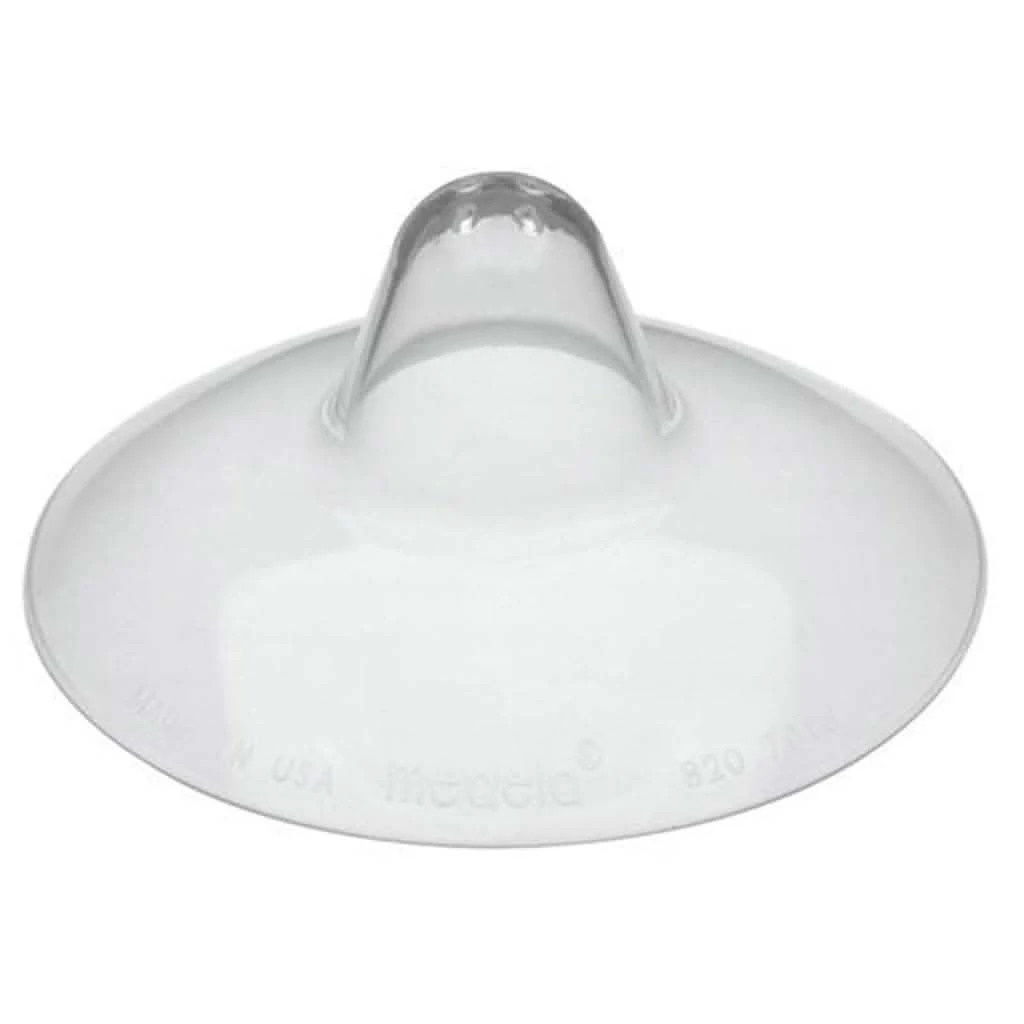
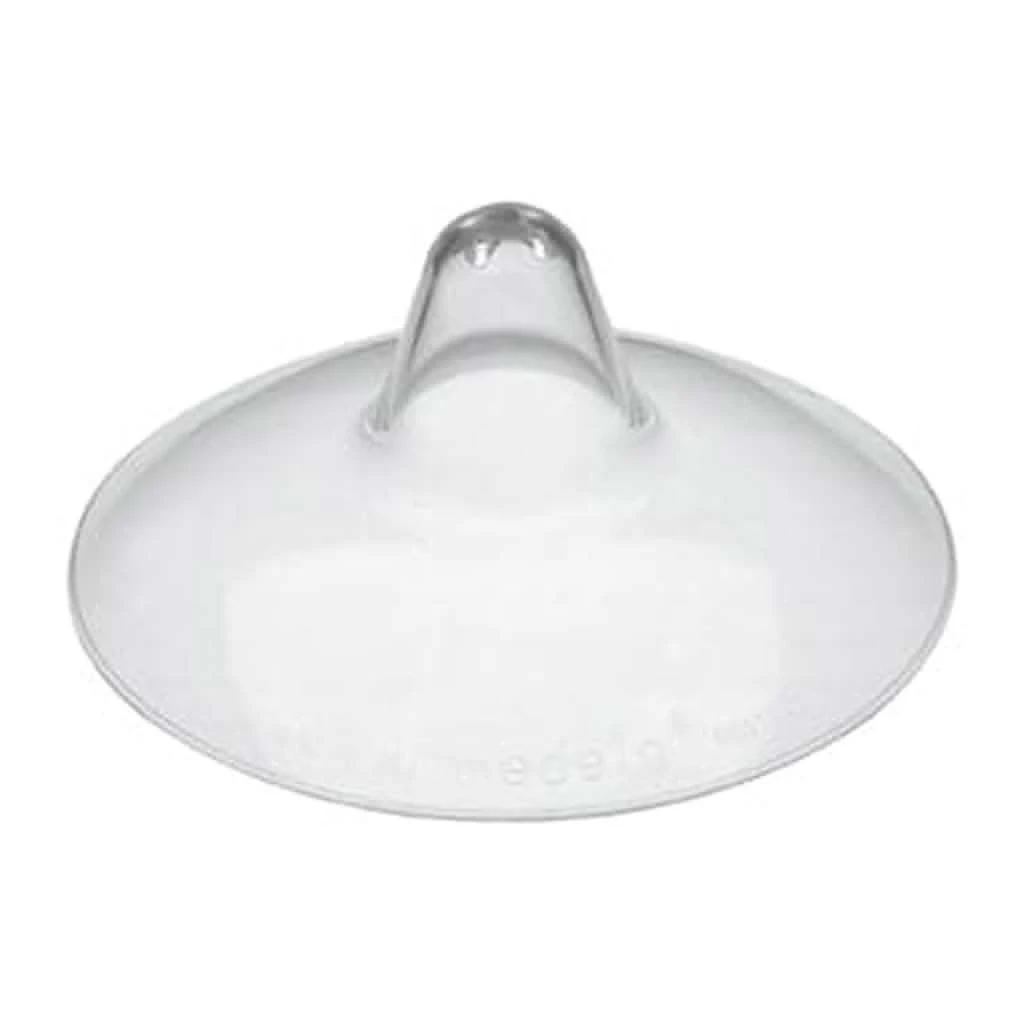
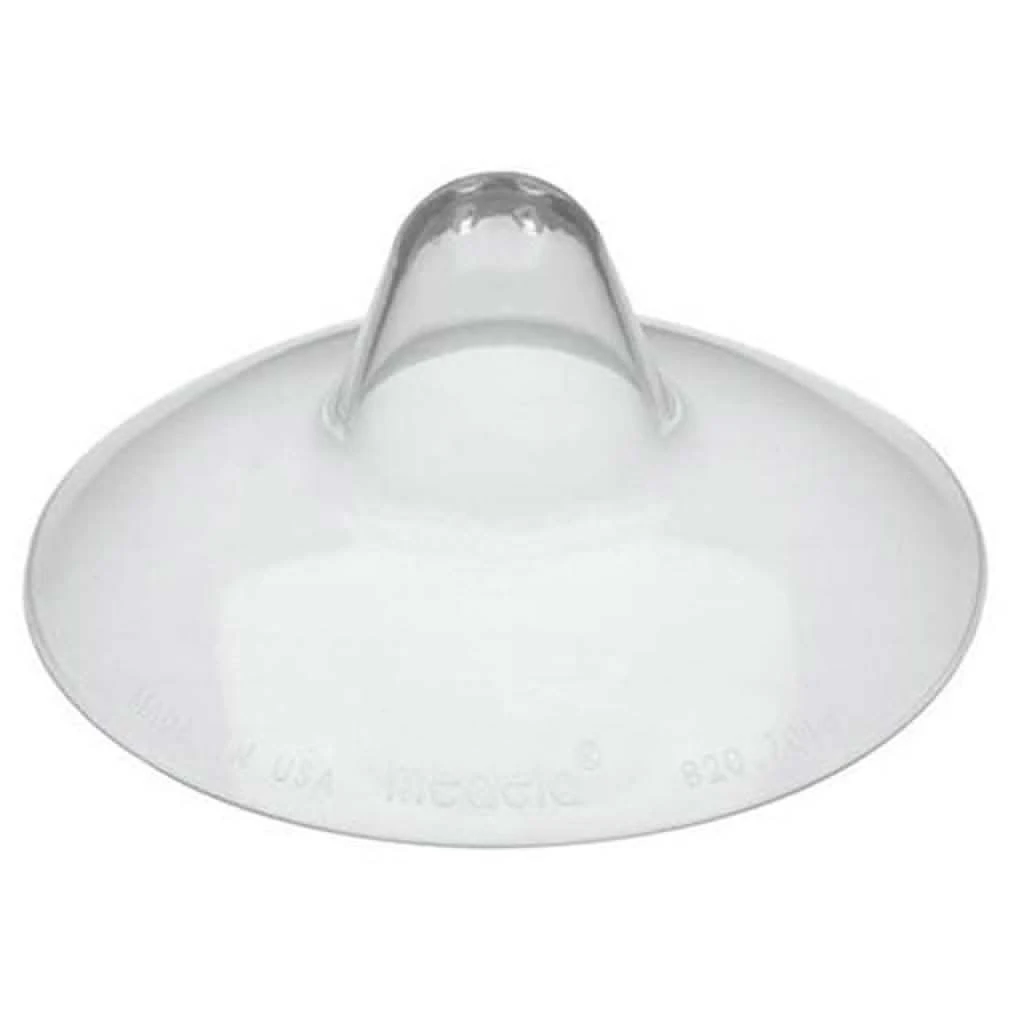
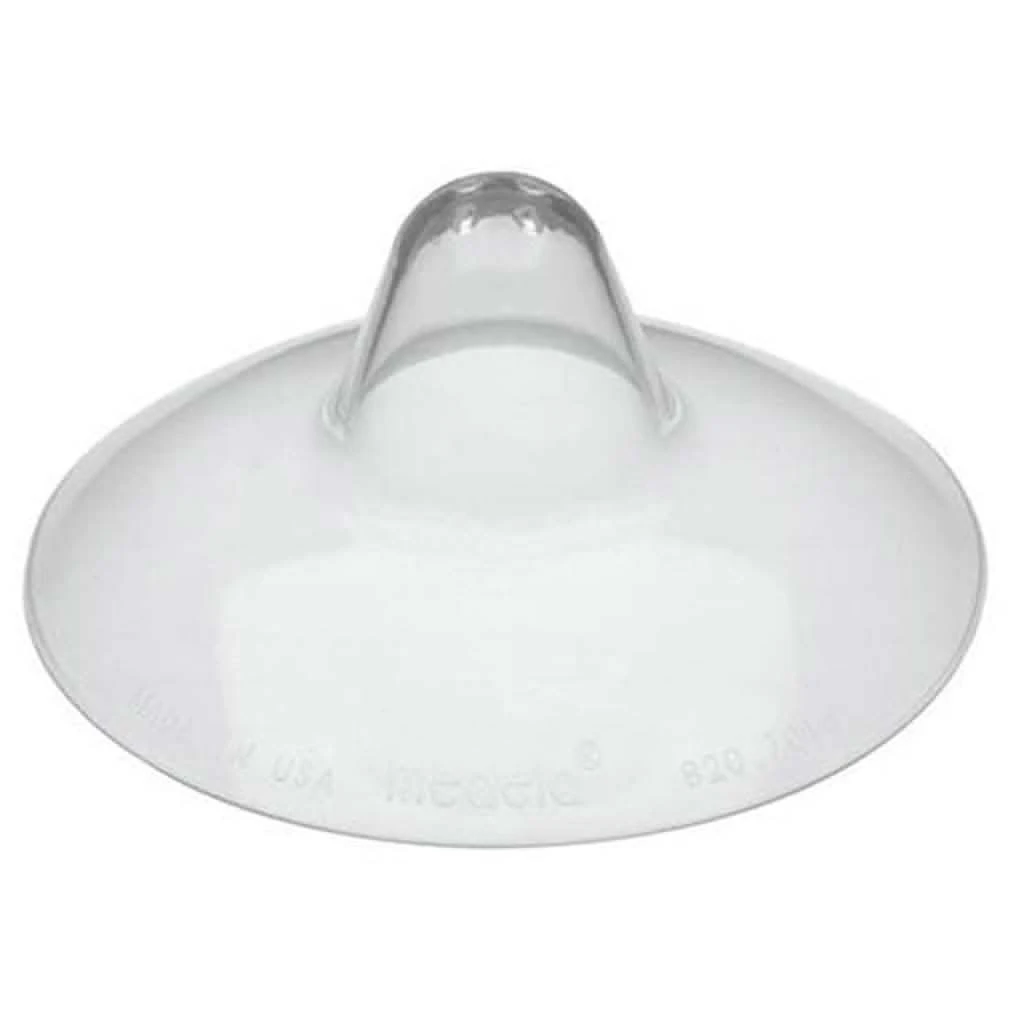
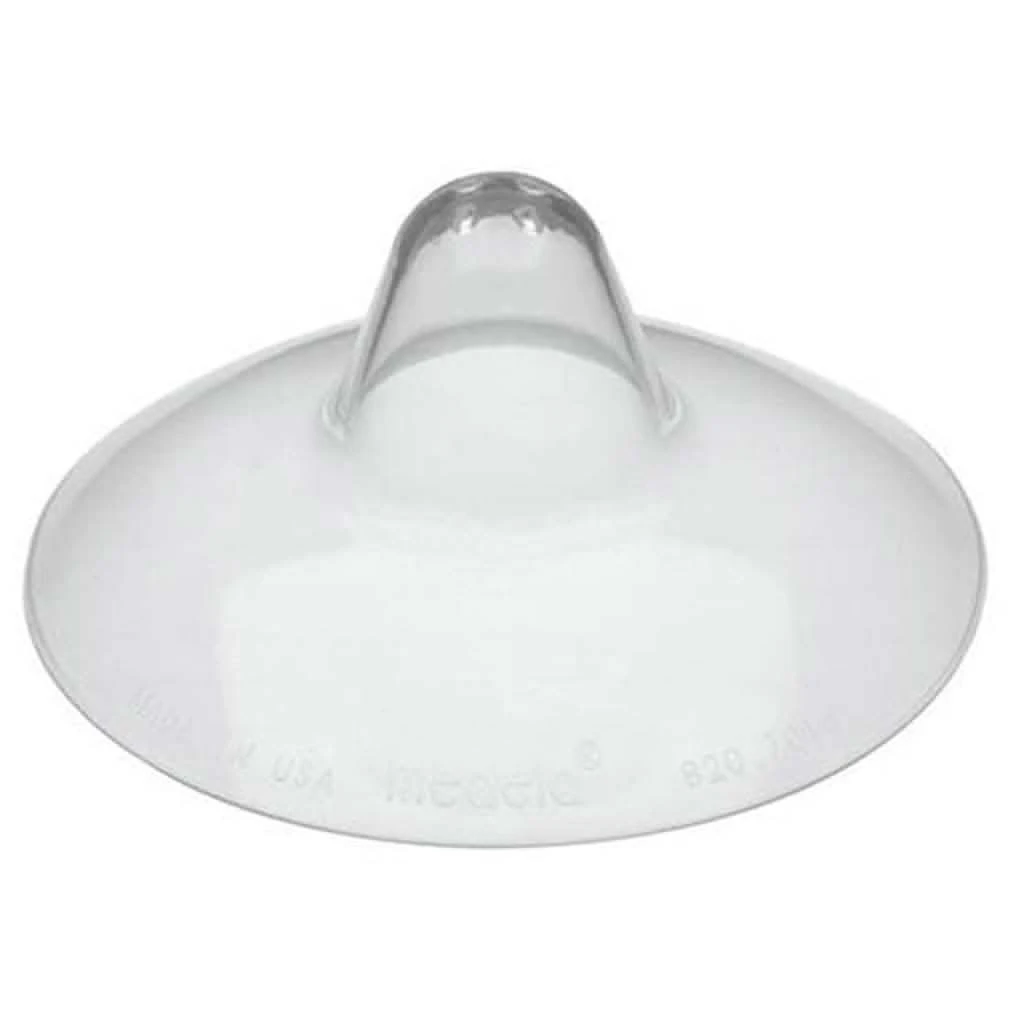
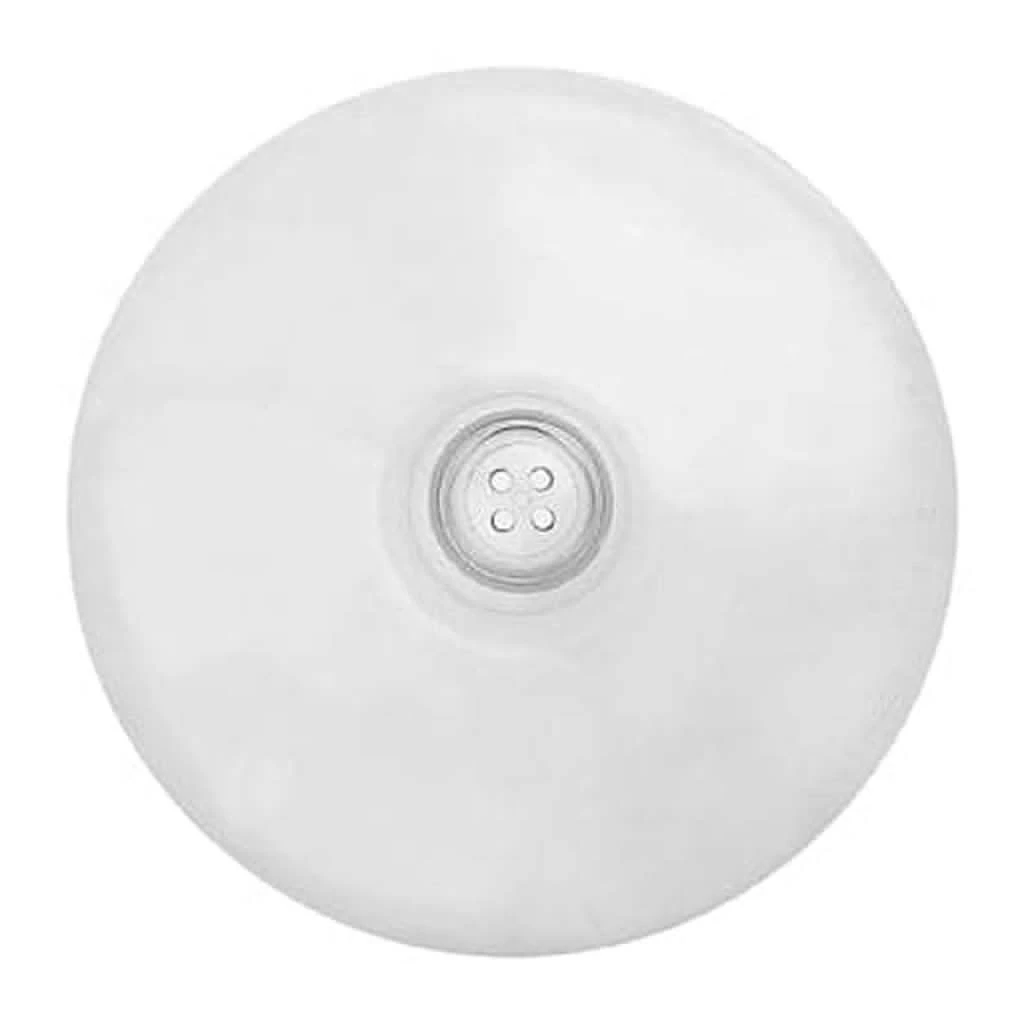


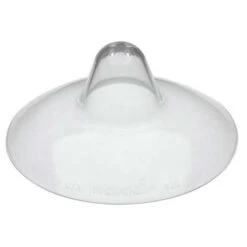
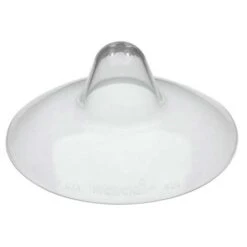
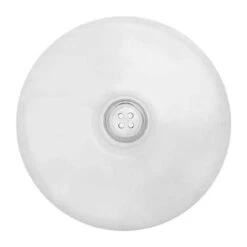
MEDELA Nipple Shield Available In 16mm, 20mm And 24mm Sizes
Original price was: $13.89.$9.72Current price is: $9.72.
- Expertly Sourced, Quality Guaranteed
- Nature-friendly materials, for a better planet.
- Efficiency meets excellence in customer care.
- Prompt service, every time.

Medela Nipple Shields can be an effective tool for professionals and moms to manage infants with latch-on problems, for moms with overactive let-downs or for flat, inverted and sore nipples. Medela Nipple Shields enable continued breastfeeding without interruption until these problems are resolved.
MEDELA Nipple Shield Features and Benefits:
- For latch-on difficulties or flat/inverted nipples: To help moms continue breastfeeding
- Available in different sizes: Consult a lactation professional for assistance
- Sterile versions available for hospitals: For immediate use in the hospital
- Made without BPA: All parts that come into contact with breast milk are not made with BPA
Breast Shield Sizing: How to Get the Best Fit
It’s not just a matter of comfort – using the correct size breast shield while pumping is important for efficiency, too. Your end goal of pumping for your little one is to get as much out of your sessions as possible, and a breast shield that’s too large or too small can greatly impact the amount of milk you’re able to pump. Even if you’re a pro and have been pumping for a while, keep in mind that your breast shield sizing can change during your breastfeeding journey – and your pumping routine might benefit from a reevaluation and resizing. You might even find that each breast needs a different shield size. Remember, pumping shouldn’t hurt! The following information will help you choose the right size breast shield for your needs.
Understanding Medela Breast Shield Sizes
- The starting point for choosing the correct breast shield is to determine your optimal size based on your nipple diameter.
- Using a ruler or measuring tape, measure the diameter (or distance straight across the middle) of your nipple at the base, in millimeters. Do not include your areola. (Tip: Not in a “math” mood? 1 cm = 10 mm)
- Based on your measurement, use the guide below to view Medela PersonalFit™ breast shield sizes to determine which one is the right fit for you.
Pick out the right size for you.
If your nipple measures 16 mm in diameter, your recommended breast shield size is 21 mm because the 21 mm shield fits nipples up to 17 mm in diameter. If your nipple diameter measures 24 mm, your recommended size would be 30 mm.Note that our PersonalFit Flex™ breast shields are available in four sizes – 21mm, 24mm, 27mm, and 30mm. We offer a 36mm size in PersonalFit only, not PersonalFit Flex.
Pick out the right size for you.
Test Your Breast Shield Sizing:
- Using the 24mm breast shields included with your pump (or the size chosen after measuring your nipples), center your nipple and gently hold the breast shield against your breast. (Note: pressing breast shields too hard against your breasts when pumping can block your milk ducts.)
- Adjust your breast pump’s vacuum for Maximum Comfort Vacuum™ to achieve optimum suction level, turning the vacuum up until slightly uncomfortable and then down one notch.
- When your breast shield fits correctly, your nipple will be centered in the breast shield tunnel and will move freely during pumping. Refer to the images below while pumping:
Determining if You Need a New Size Breast Shield:
- Your nipple is rubbing the sides of the breast shield tunnel to the point of causing discomfort.
- You see excessive areola being pulled into the breast shield tunnel.
- You have redness on or at the base of the nipple during and/or after pumping.
- Your nipples or areola are turning white during and/or after pumping.
- Your breasts still feel full after pumping.
FAQ’s
How do I sanitize the nipple shield?
- Choose a pot that is large enough so the nipple shield DOES NOT rest on the sides or bottom while boiling.
- Fill the pot with water and bring to a boil.
- Carefully drop nipple shield into boiling water, and boil for 10 minutes.
- Gently remove from water with tongs and place on a clean surface with nipple facing upwards. (For easier removal, add cool water to pot to prevent splashing.)
- See Drying and Storing section above for further instructions.
Pick out the right size for you.
See Entire Medela Collection
See Related Articles:
- Low Breast Milk Supply? What Causes It And How To Increase It
- Pro Tips for Breastfeeding Success
| Size | 24 mm (Medium), 16 mm (Extra Small), 20 mm (Small) |
|---|
Be the first to review “MEDELA Nipple Shield Available In 16mm, 20mm And 24mm Sizes”
Related products


Feeding

Feeding


Reviews
There are no reviews yet.